
Waking Up: The App We Keep Coming Back To
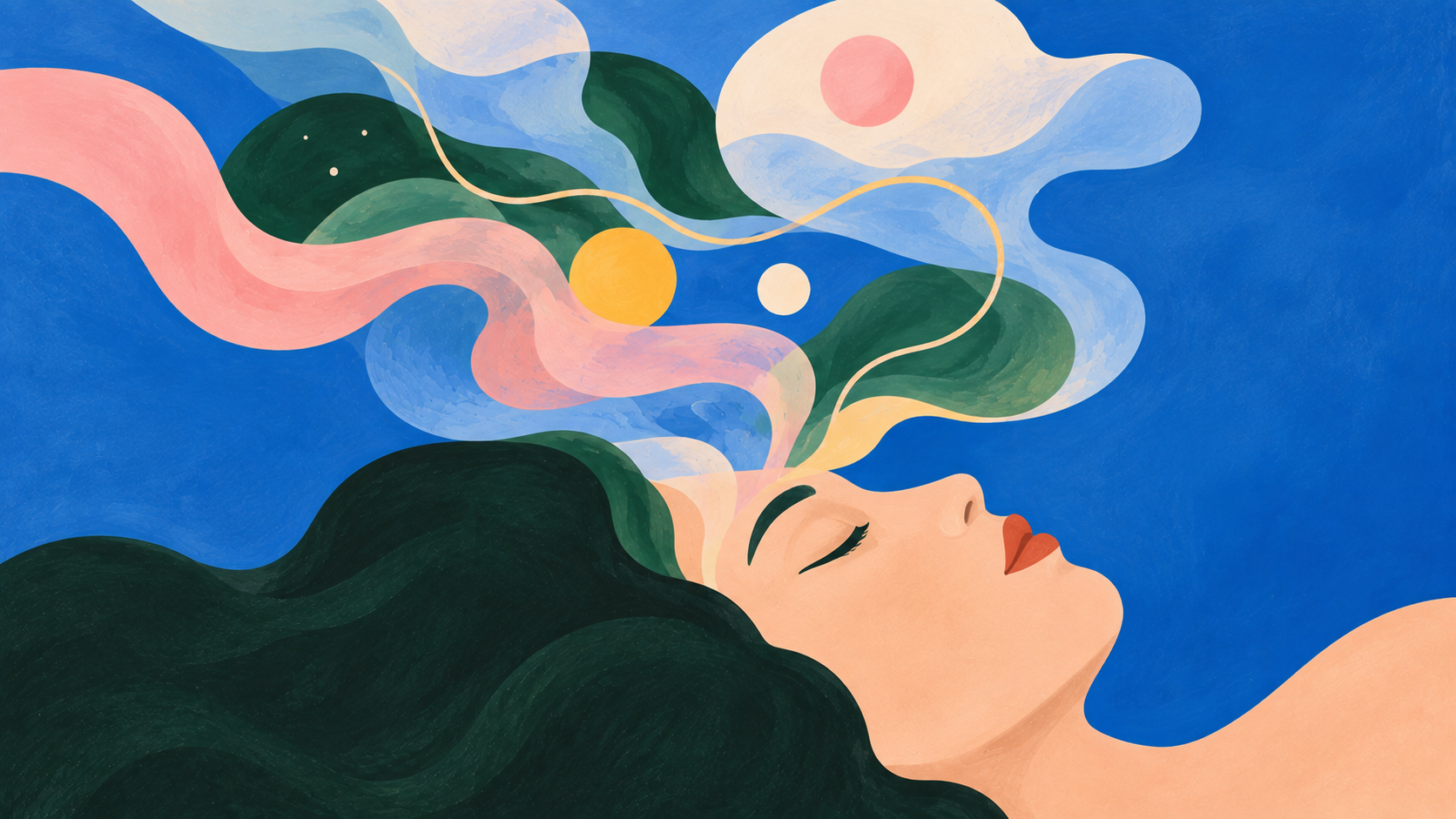
There is certainly no shortage of meditation apps available, with most offering similar benefits such as less stress, better sleep, and a calmer mind. However, we think Waking Up offers something different.
Created by neuroscientist, philosopher, and long-term meditation practitioner Sam Harris, the app is less concerned with helping you to escape an uncomfortable state of mind and more with encouraging you to become curious about the mind itself: how we experience thoughts and emotions, where we place our attention, and even how we construct our sense of self.
It is an app we have returned to over the years at Beautiful Space and one we regularly recommend to clients, including as a supportive tool for psychedelic therapy.
In this review, we share our experience of Waking Up, what we think sets it apart, and what to consider before deciding whether it is right for you.
The Experience
For anyone new to Waking Up, the 28-day Introductory Course is a good place to begin. Each day combines a short meditation with a lesson from Sam Harris, gradually introducing both the practice and some of the thinking behind it.
That combination is one of the things we particularly value. Meditation can easily become another item on a wellbeing checklist: ten minutes completed, notification dismissed, move on with the day. Waking Up asks for a little more curiosity, such as What happens when a difficult thought appears? Where do we experience an emotion?
As you move further into the app, there are guided practices, conversations, and teachings drawing on contemplative traditions, philosophy, psychology, and neuroscience, with plenty to explore as your practice develops.
What Stood Out To Us
What stands out about Waking Up is the way it connects meditation with a deeper understanding of what we are actually experiencing. Rather than simply guiding you through a practice, it encourages curiosity about your thoughts, emotions and reactions.
This feels particularly relevant to our work at Beautiful Space, where we often talk about the difference between having an insight and learning how to live it. Meditation gives us an opportunity to notice familiar patterns as they happen, rather than only understanding them in retrospect.
It is also why we find Waking Up useful alongside psychedelic preparation and integration, as a regular practice for observing what arises and how insights begin to meet everyday life.
Please note, it doesn't replace psychedelic preparation or integration, but can be used as a useful tool alongside the work.
Beyond Mindfulness: Consciousness and the Self
Where Waking Up becomes particularly interesting is in its exploration of consciousness and the nature of self.
A recurring theme is nonduality, which, put simply, invites us to question the familiar sense that there is a fixed “me” somewhere inside our heads, separate from everything we are observing. Many of the meditations encourage you to investigate it through your own experience.
For anyone familiar with psychedelic states, there may be something recognisable here. Psychedelic experiences can sometimes alter our ordinary sense of self or soften the perceived boundary between ourselves and the world around us. Meditation offers a very different, repeatable way of exploring these same questions in ordinary life without needing a mind-altering substance.
What We'd Consider
The depth that makes Waking Up so interesting can also make it demanding. Sam Harris's style is thoughtful and cerebral, and the emphasis on consciousness and nonduality will appeal to some people while leaving others wondering why meditation suddenly feels so complicated.
There is also a great deal of content and opening the app without knowing where to begin can feel a little like walking into a very large library without knowing which shelf to visit first. We would resist the temptation to explore everything and begin with the Introductory Course.
If what you really want from meditation is ten quiet minutes before bed, Waking Up may simply be more than you need.
Who Is Waking Up For?
Waking Up is particularly suited to people who want meditation to go beyond relaxation and are curious about consciousness, psychology, philosophy or the nature of self. Previous meditation experience isn't necessary, although a willingness to sit with ideas that can sometimes feel challenging helps.
We also find it relevant for those undertaking psychedelic preparation or integration who want to establish a regular contemplative practice to support their journey.
Our Verdict
The Waking Up app provides enough guidance for someone beginning the practice of meditation, but also enough depth to keep opening new areas of enquiry long after the basics have become familiar.
At its best, it encourages a kind of curiosity that can follow you out of the meditation and into ordinary moments such as noticing a reaction before acting on it, recognising when a familiar story has taken hold, or simply becoming more attentive to what is actually happening.
For us, that is where much of the value lies, and why Waking Up remains one of the meditation resources we continue to return to and recommend.
Waking Up at a Glance
What: Meditation and consciousness app
Created by: Sam Harris
Best for: People looking to go deeper than basic mindfulness and relaxation
Why we use it: Developing awareness of thoughts, emotions and patterns, including alongside psychedelic therapy
What stood out: The combination of practical meditation with a deeper exploration of consciousness and the nature of self
What to consider: It may be too complicated or overwhelming for some
Beautiful Space verdict: One of the meditation resources we continue to return to and recommend